

The New Rules of Selling In: A Guide to Creator Sponsorships
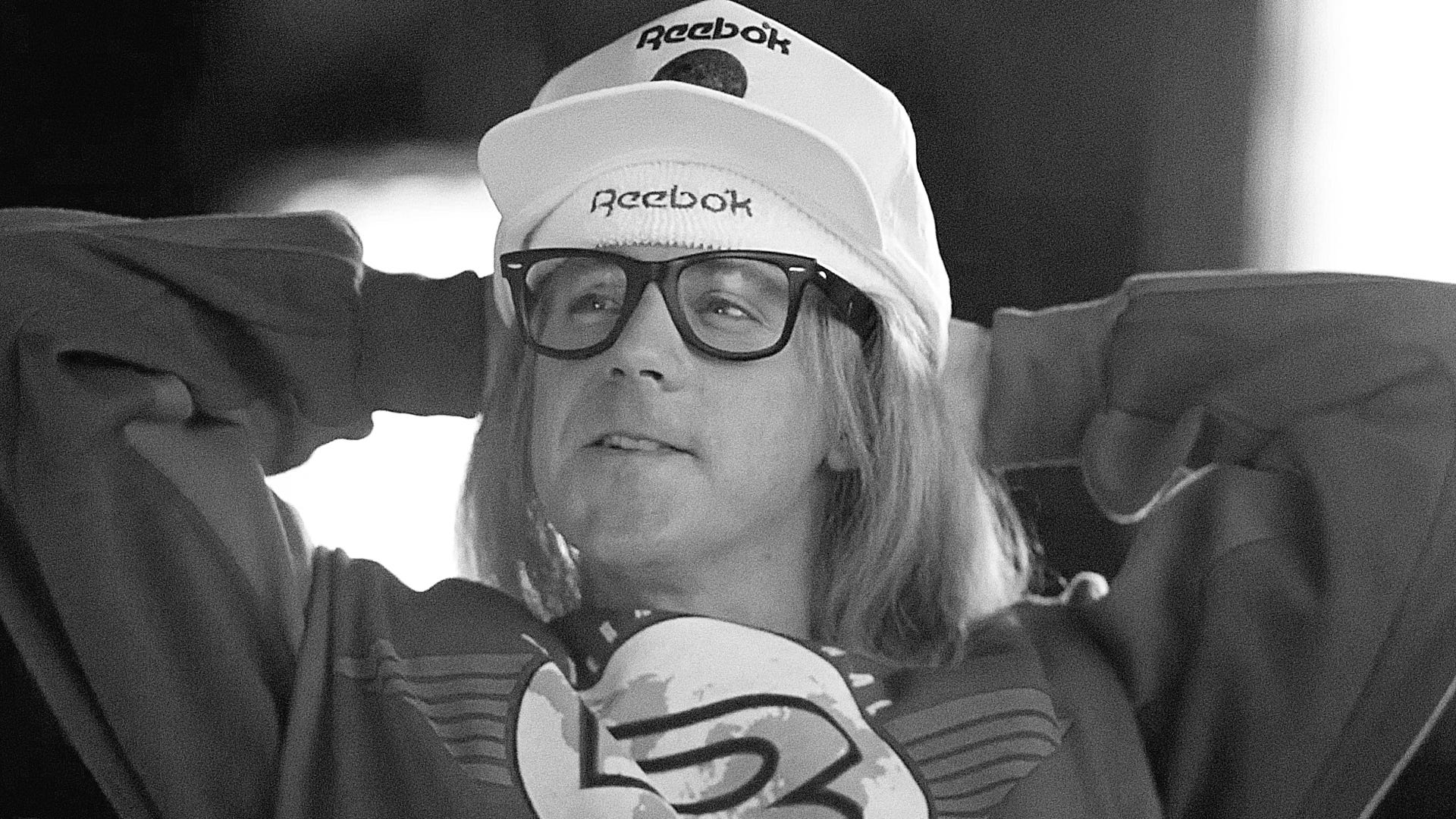
“It’s like people only do things because they get paid. And that’s really sad.” — Garth
ZINE has its first sponsor.
As I think about media dynamics and business strategy for a living, I’d be a hypocrite to bury the lede or pretend this doesn’t warrant some public reflection.
So here’s a piece about creator corporate sponsorship brought to you by a corporate sponsor. (Our project will be in your inbox later this month. And if you ever want to jam on a special project like them, reach out.)

The creator economy promised financial freedom through lowered barriers to entry and democratized tools. What it delivered instead was a trap: algorithmic serfdom dressed up as creative independence. We traded bosses for metrics and now obsess over the dashboard. We’ve been captured by audiences, which now puppeteer our behaviors both consciously and unconsciously. And we now pray to an algorithm, starving for organic reach.
Platforms change the rules mid-game, shadow-ban without explanation, and treat creators as free content machines.
Substack isn’t concerned with my success as a creative… they’re only concerned with my success as an entrepreneur, handing over a bigger and bigger cut of my payout.
Historically, “selling out” meant abandoning one’s values for the paycheck. A musical artist would produce music they knew would sell better — even if it wasn’t their style or wasn’t what they wanted to put out into the world. It was a compromise. A dilution of integrity. Creative pollution. Major labels would take on creative control to help maximize sales, turning the artist into the real product.
But this “sell out” framing belongs to an era when artists had a bit more infrastructure or at least other options. There once were indie labels, advances, grants, public funding, residencies, physical media sales, public broadcasting, non-PhD university teaching gigs, media and arts journalism gigs, and cheaper rent, tuition and health insurance, all allowing for bigger bets on oneself.
Now? That infrastructure is gone and the working class artist is nearly extinct. The starving artist is a malnourished skeleton. Not because we’re any less creative — a separate convo — but because those resources are dried up, cut and de-funded. Today, the proportion of working-class actors, musicians and writers has shrunk by half since the 1970s. At the onset of COVID-19, the arts economy shrank nearly 2x vs. the overall U.S. rate of decline. Over 600,000 arts jobs vanished since.
Selling out was once an icky short cut because there were other lush paths or support. But today, corporate injection is one of the few remaining routes left for creative stability and sustainability. Sponsorships, reaching the top percentile of paid followership, full-time employment subsidies or good ole nepotism are what’s left.
Today, unlike previous generations, corporate support isn’t the enemy. The absence of any support is.
Now, taking money from a brand that aligns with your work isn’t exactly selling out. It’s survival. And honestly? Kind of a flex.
So the script has flipped.
“Sell Out” is no longer a slur.
Look at celebs. The famous are no longer just lending their faces to products, they’re manufacturing their own. And, most evident of this shift, they’re standing up their own agencies. Ryan Reynolds, Reese Witherspoon, Tony Hawk, Jimmy Fallon, Pitbull, Kevin Hart, Kristen Bell, Michael B. Jordan, and Kendrick Lamar all cosplay as Don Draper. Look no further for a signal that advertising, celebrity and the arts have all melted into one another.
Michelangelo had the Pope. Shakespeare had patrons. The Medicis funded the Renaissance. Noble obscurity is also a respectable path.
As Will Cady puts it,
“Whether creatives entered the house of brands because we wanted to or we had to, the fact is we are here.”
As a result, “Selling In” is now the move.
Keep reading with a 7-day free trial
Subscribe to ZINE to keep reading this post and get 7 days of free access to the full post archives.